
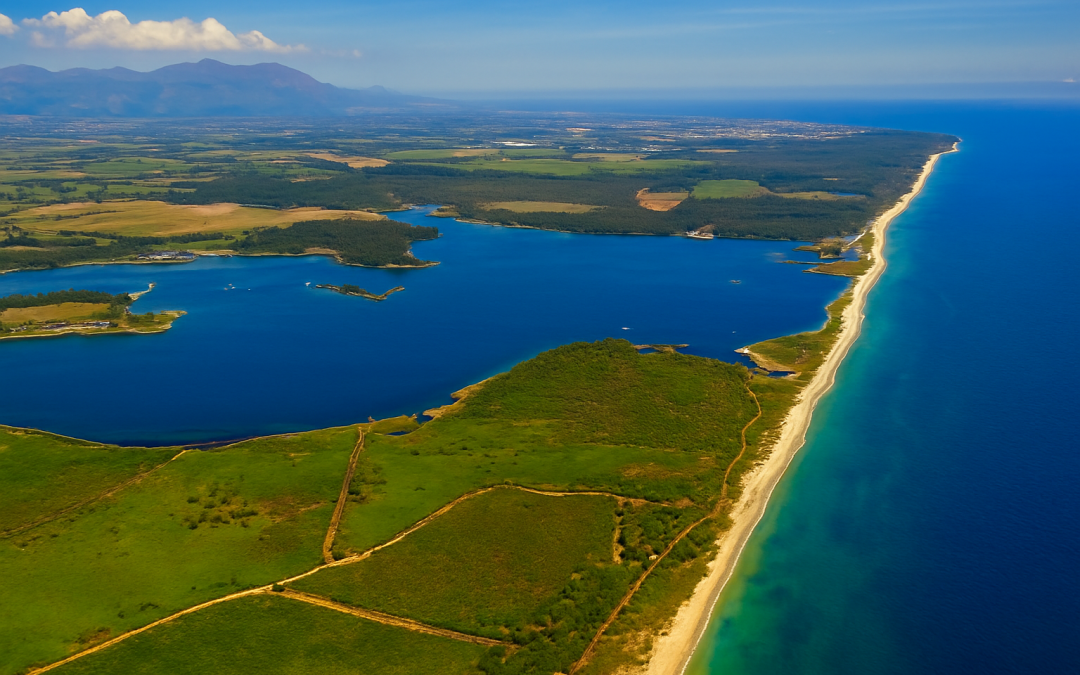
From our campsite, the sea is just 700 metres away. But around Ghisonaccia, kilometre after kilometre of wild coastline lies waiting for you — fine sand fringed by pine forests, emerald waters that deepen to an intense blue further out, and beaches that are barely busy even at the height of August. Corsica’s east coast hides treasures that many holidaymakers never suspect. Let us show you where they are.
Corsica’s east coast: a coastline with a character all its own
When people talk about Corsica, they tend to mention the beaches of Porto-Vecchio or Calvi. Less familiar to visitors in a hurry, the eastern coast — the long ribbon of shoreline stretching from north of Aléria down to Solenzara — deserves far more than a passing glance. Here there are no inaccessible coves or beaches perched at the end of a mule track: instead you’ll find vast expanses of sand opening onto the Tyrrhenian Sea, framed by maritime pine forests, dunes and coastal lagoons of rare ecological richness.
The eastern plain also has a light all of its own. The sun rises over the sea — in the morning, from our campsite, you can watch the first golden hours glide across the water before the heat sets in. And in the evening, as the cicadas gradually fall silent, the air still smells of salt and warm resin. That’s the east coast in summer.
📍 Did you know? Corsica’s eastern coast is one of the few stretches of the French Mediterranean shoreline still home to a large maritime pine forest right by the sea — the Pinia forest. Listed and protected, it acts as a natural barrier against erosion and a refuge for local wildlife.
The must-see beaches around Ghisonaccia
Vignale beach: the village beach, lifeguarded and lively
This is Ghisonaccia’s best-known beach, and probably the busiest in the area. You reach it from the village along the D244, known as the “route de la mer” (the sea road) — a lovely straight 4-kilometre road lined with a cycle path that runs alongside the forest. From our campsite, you can cycle there in around twenty minutes, an outing families love.
Vignale is a large beach of fine sand with clear water that stays shallow near the shore — perfect for children. It is lifeguarded in high season, has parasols and sunloungers for hire, and several beach establishments serving food. The atmosphere is festive without being overwhelming: families, couples and groups of friends meeting up after a night at the campsite.
💡 U Casone tip: Head to Vignale from 9am to bag a good spot before the daytime rush. Coming back in the early afternoon lets you enjoy our pools during the hottest hours — then return to the beach around 5pm, when the light turns golden.
Pinia beach: the wild beach, in the shade of the pines
This is our favourite. Pinia beach is a place you have to earn a little — not because it’s hard to reach, but because it asks you to slow down to appreciate it fully. It stretches for several kilometres along the edge of the Pinia forest, the last great maritime pine forest on the Corsican coast. No beach concessions, no sound systems, no neon parasols: just the wind in the pines, the waves and fine sand underfoot.
The water is crystal clear and the sandy seabed makes it ideal for family swimming. The pines come right down to the edge of the beach, offering precious natural shade in July and August. Walkers love following the shoreline or the trails that wind through the forest — an hour’s walk in this setting is worth more than any travel guide.
📍 Did you know? The Pinia forest is one of the last intact coastal maritime pine forests in Corsica. It is home to protected plant and animal species, and preserving it is a major issue for Corsican biodiversity.
Calzarellu beach: the big beach beneath the Genoese tower
Just south of Ghisonaccia, Calzarellu beach opens onto the Tyrrhenian Sea with quiet generosity. A large beach of fine sand, it owes its name to the Genoese tower that has watched over it for centuries — one of the lookout towers built all along the Corsican coast to warn of approaching Barbary pirates. Today these towers punctuate the landscape with their elegant silhouettes, a reminder that this coast has a long and turbulent history.
Calzarellu is quieter than Vignale, which makes it a top choice for anyone seeking peace and quiet. The water here is particularly beautiful — shading from almond green at the water’s edge to deep blue further out. It’s less than ten minutes’ drive from Ghisonaccia.
Lesser-known beaches for explorers
Chiola beach: a hidden little gem
On the RN198, at the place called Chiola, a small road on the left leads to this discreet beach that regulars jealously keep to themselves. It’s pretty, peaceful and easy to reach. It isn’t the biggest or the most spectacular in the area — but it has the charm of beaches you discover for yourself, the kind that don’t appear in any guidebook.
Quercioni beach: the “cow beach”
Locals affectionately call it the “cow beach” — because you sometimes come across cattle cooling off at the water’s edge. This large sandy beach is lined with small dunes and stretches for several kilometres without any facilities at all. This is Corsica as it used to be: wild, free and indifferent to the tourist’s gaze. That’s exactly why we love it.
Scaffa Rossa beach: coves and emerald waters
A little further south, towards Solaro, Scaffa Rossa beach offers a more varied coastline: long stretches of fine sand alternate with small sheltered coves and bays of emerald water. The Tyrrhenian Sea casts a light here that shifts with the hours — turquoise in the morning, indigo at midday, almost violet at sunset. A spot for photography lovers, or simply for anyone who enjoys gazing at the water.
Travu beach: where the river meets the sea
Near Ventiseri, Travu beach has the distinction of lying at the mouth of the river of the same name. This mix of fresh and salt water creates an unusual ecosystem, and the beach itself is beautiful and little known. It’s the kind of place to save for a day of exploring, when you feel like venturing beyond the campsite’s immediate surroundings.
The Étang de Diane and its oysters: a unique experience
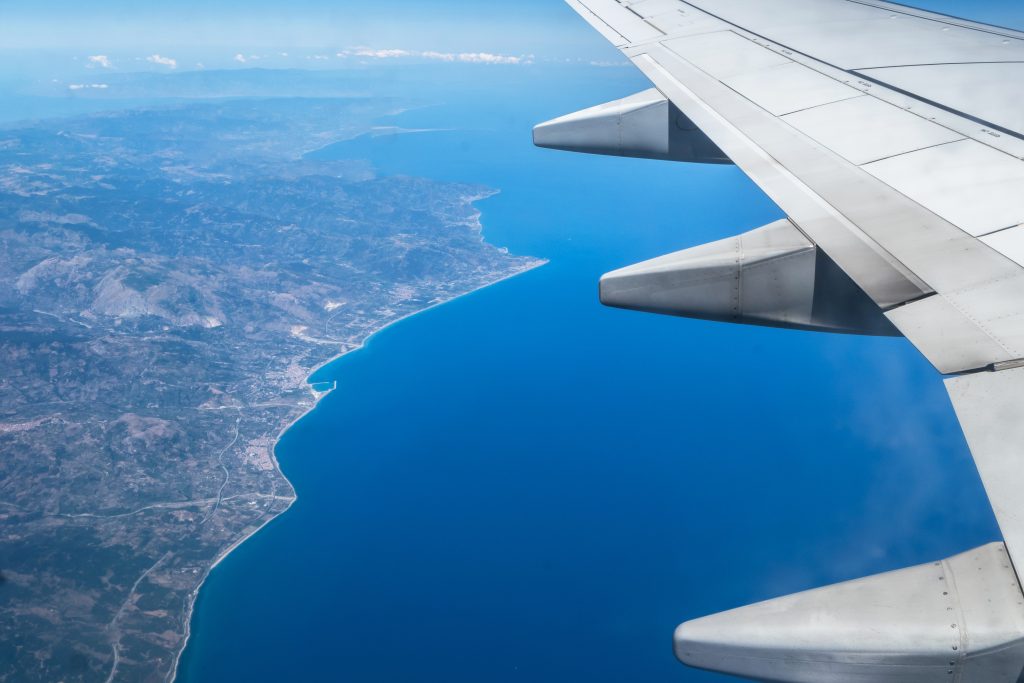
About twenty minutes north of Ghisonaccia, the Étang de Diane is a discreet jewel of the eastern coast. This shallow lagoon, linked to the sea by a channel, has been a renowned oyster-farming site since antiquity — the Romans, who had founded a colony in nearby Aléria, were already harvesting their oysters here. Today, a handful of producers carry on the tradition, raising oysters in a setting of utter serenity.
Making a detour to the Étang de Diane to taste fresh oysters straight from the producers, with a glass of Corsican white wine, is one of those experiences that make a holiday. And as you head back to Ghisonaccia along the coast road, you’ll pass kilometres of beaches just waiting to be explored in the days that follow.
📍 Did you know? The Étang de Diane is a listed natural site. It is home to exceptional aquatic life and birdlife, including pink flamingos in winter. Oyster farming here is carried out on a small, artisanal scale by a handful of families — a tradition that dates back to the Roman occupation.
Making the most of the beaches from U Casone
From our campsite in Ghisonaccia, the sea is 700 metres away on foot. You can walk there along the shady canal, cycle along the cycle path, or drive there in a few minutes. That’s the freedom of a coastal campsite: in the morning you sleep beneath the pines, cool and in silence; by midday you can have your toes in the water in under a quarter of an hour.
🚲 By bike
The D244 cycle path links Ghisonaccia to Vignale beach in 20 minutes. Ideal for families — children love this ride through the forest.
🚗 By car
The beaches further afield (Pinia, Calzarellu, Chiola, Scaffa Rossa) are 5 to 15 minutes’ drive from the campsite. A tip: set off early to find a spot.
🛶 By kayak
At our campsite, you can hire a kayak (€15 per half day for a single, €20 per half day for a double) and paddle down the canal to the sea. A memorable way to arrive at the beach!
🌅 Perfect timing
The sea in the morning (9am–noon), a siesta beneath the pines or at the pool in the afternoon, then back to the beach in the late afternoon (5pm–7pm) for the golden light. That’s the rhythm of seasoned holidaymakers.
What to know before heading to the beach
☀️ June
The sea is still cool (20–22°C), the beaches almost empty, the light soft. The best time to explore without the crowds.
🌡️ July–August
A warm sea (25–27°C), everything in full swing, some beaches very busy. Go early, come back late.
🍂 September
Our favourite month. The sea is still very warm, the light autumnal, the beaches deserted. Corsica’s best-kept secret.
- Unsupervised swimming: apart from Vignale in high season, most of the area’s wild beaches have no lifeguards. Adapt your swimming to your children’s ability.
- Take water with you: some of the more remote beaches have no shops nearby. Pack your cool box before leaving the campsite.
- Getting to the wild beaches: go in the morning for beaches such as Quercioni or Chiola — the access tracks can get congested in the middle of the day.
- Dogs welcome: some beaches on the east coast accept dogs outside lifeguarded areas and outside high season. Ask us about dog-friendly beaches.
- Respect nature: the Pinia forest and the dune areas are protected. Don’t take any sand, don’t light fires, and don’t park on the vegetation.
Corsica’s east coast: a shoreline that reveals itself to those who take their time
What we love about Corsica’s east coast is that it doesn’t try to impress you straight away. No dramatic cliffs, no villages perched above the sea, no spectacular coves reserved for experienced divers. No — this is a generous, horizontal coastline, open to a vast horizon. A coast that gives itself up slowly, the longer you linger.
In the end, you understand why so many of our guests come back year after year. They’ve discovered a beach that nobody else they know has heard of. They’ve walked through the Pinia forest on a June morning, listening to the first insects of the day. They’ve eaten oysters at the Étang de Diane while watching the pink flamingos. They’ve found their own corner of paradise, and they have no desire to swap it for another.
We look forward to welcoming you to U Casone and helping you find yours.
Fancy spending your holiday a stone’s throw from the most beautiful beaches on the east coast? Book your stay at Camping U Casone, open from 1 May to 8 October, 700 metres from the sea in Ghisonaccia.